Drying a structure correctly isn't about running a few fans and hoping — it's a calculated process based on temperature, humidity, and airflow readings.
Our Chesapeake Beach, MD drying plans start with thermal imaging to map exactly where moisture is hiding.

Every Structural Drying And Dehumidification job in Chesapeake Beach, MD starts with psychrometric calculations that determine exactly how much airflow and dehumidification capacity is needed.
LGR capacity is standard equipment on every Structural Drying And Dehumidification job, not a premium upgrade.
We map hidden moisture with thermal imaging before finalizing equipment placement.
You receive documented daily readings showing the structure actually getting drier.
Below is the calculated, documented process our Chesapeake Beach, MD teams follow.

The assessment sets the baseline every later reading gets measured against.
Thermal imaging often reveals moisture has traveled further than the visible damage suggested.
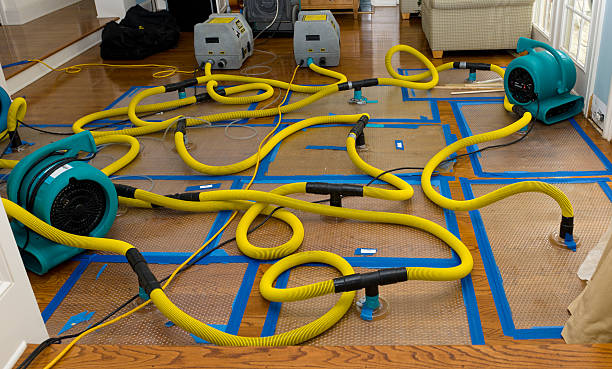
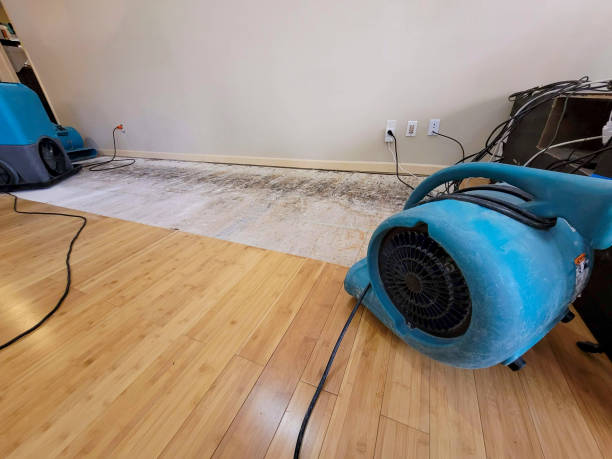
We position air movers to create directed airflow across wet surfaces based on the assessment.
Daily monitoring confirms equipment is working and adjusts the plan if progress stalls.
We adjust drying speed for sensitive materials like hardwood and cabinetry to prevent secondary damage.
We provide a written verification report confirming the structure has reached dry standard.
A quick call helps us determine whether thermal imaging and full drying equipment are needed.
Equipment for psychrometric assessment is standard on every drying dispatch.
A full diagnostic assessment comes before any equipment placement or pricing.
A written verification report backs the final sign-off.

"The thermal imaging found moisture behind a wall that looked completely fine from the outside. Would have missed it otherwise." — Julian R.
"They came back every single day to take readings and showed me the numbers improving. Felt like real science, not guesswork." — Monique T.
"Our hardwood floor didn't warp because they slowed the drying process down specifically for it." — Grant P.
Visual appearance doesn't confirm dryness — instrument readings are needed to catch what's not visible.
It's a calculated approach using temperature and humidity data to determine exact equipment needs, rather than guessing.
Typical drying time is 3-5 days for standard materials, longer for sensitive ones like hardwood.
We provide daily documented logs showing moisture readings, not just a verbal update.
We adjust the drying plan whenever sensitive materials are involved.
We reassess the plan, since stalled readings usually mean equipment placement or capacity needs adjusting, not just more time.
Our Chesapeake Beach, MD drying teams cover Chesapeake Beach and nearby communities with thermal imaging and LGR equipment staged for dispatch.

One call starts the psychrometric assessment process.
Call +1-844-833-1325